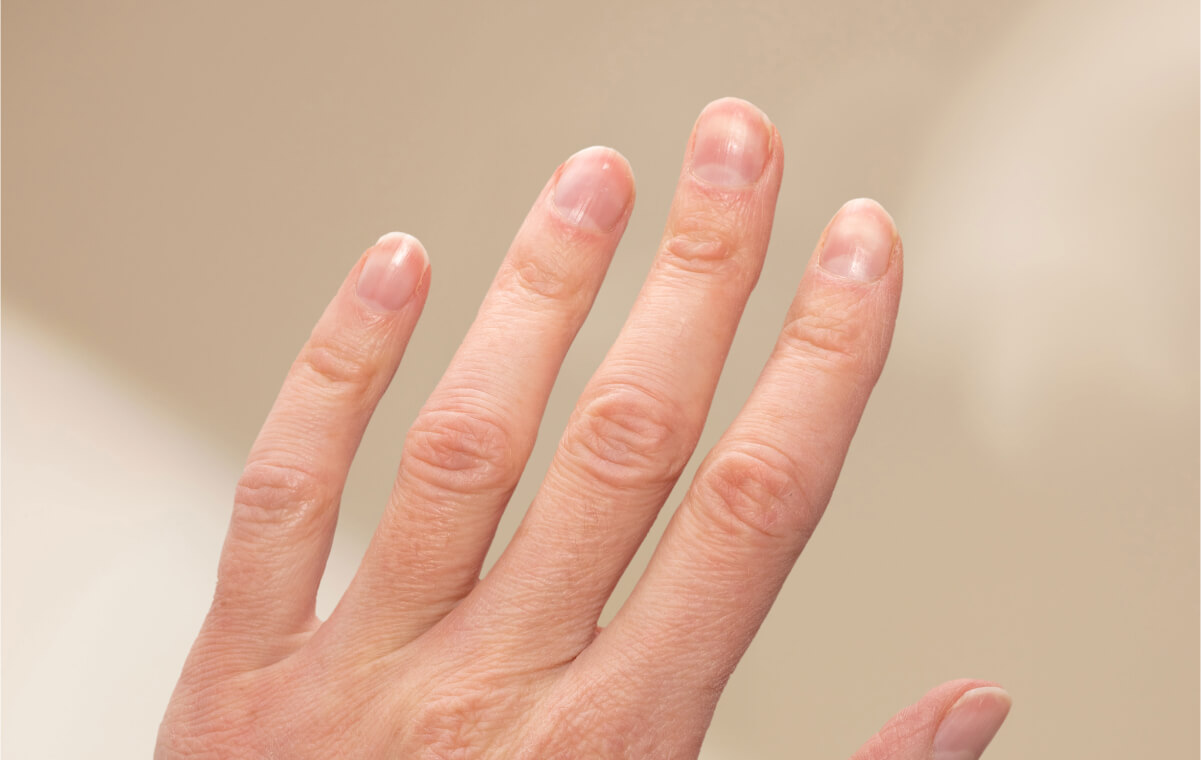
Tired of having soft and brittle nails? You’ve come to the right place! We’re going to offer you 5 easy tips to put an end to this problem and regain strong, healthy nails. Follow the guide!
What are soft nails?
The nail is a hard, insensitive structure located at the tips of the fingers and toes. It is a keratinized appendage, produced by the skin, just like hair.
The nail is composed of several parts:
- The nail bed, located under the nail, is a richly vascularized area that gives it its pink color. It nourishes and supports the nail throughout its growth.
- The matrix, at the base of the nail, is the keratin production zone. It determines the quality and speed of nail growth. Trauma to this area can permanently alter its structure.
- The lunula, visible as a pale half-moon at the base of some nails, corresponds to the emerging part of the matrix. It is often more visible on the thumbs and can reflect the health of the nail.
- The cuticle is a thin strip of skin that covers the junction between the nail and the skin. It acts as a protective barrier against bacteria.
- The nail fold surrounds the nail and provides mechanical protection against foreign bodies.
- The nail groove, located between the nail and the folds, is an area to monitor, as it is prone to dirt accumulation or infections (such as ingrown toenails).
When we talk about soft nails, we are referring to a nail that has lost some of its rigidity; the matrix becomes malleable, often in response to an alteration in the quality of the keratin. As a result, they bend easily, split, or break effortlessly.
What is a splitting nail?
A splitting nail, also called onychoschizia, is a nail whose surface layers separate horizontally, giving a flaky or crumbling appearance. This phenomenon is often caused by dehydration of the keratin, due to repeated stress: frequent washing, chemical products, abrasive manicures, or deficiencies (particularly iron, zinc, or B vitamins). The nails then become fragile, brittle, and lose their natural elasticity.
Cold weather, stress, or certain dermatological conditions can also be responsible. To remedy this, it is essential to nourish and protect the nails with appropriate care, limit harsh contact, and adopt a balanced diet. Dietary supplements can also help in cases of proven deficiencies.
Soft Nails and Deficiencies: What’s the Connection?
Soft, thin, or overly flexible nails can be a sign of a nutritional imbalance, particularly deficiencies in essential vitamins and minerals. Among the most common are:
- Iron deficiency: This weakens keratin, making the nail brittle and deformable.
- Zinc deficiency: Essential for cell regeneration, its absence slows growth and weakens the nail structure.
- B vitamin deficiency (especially B7/biotin): Plays a key role in nail strength and thickness.
- Silicon, magnesium, or calcium deficiency: Impacts the quality of the nail matrix.
Soft nails can also signal a thyroid disorder or be due to excessive use of chemical products (nail polish, harsh nail polish removers). A varied and balanced diet, sometimes supplemented with nutritional supplements, is often necessary to restore healthy and strong nails.
Causes of Soft and Brittle Nails
Soft and brittle nails can be caused by a variety of factors.
Lifestyle
A deficiency is one of the main reasons why you may have such brittle nails. Regular exposure to chemicals such as nail polish or household cleaners, for example, can also contribute to soft and brittle nails. Likewise, certain habits such as smoking, nail biting, or an unbalanced diet can significantly weaken your nails, making them softer and more brittle.
Using Unsuitable Products
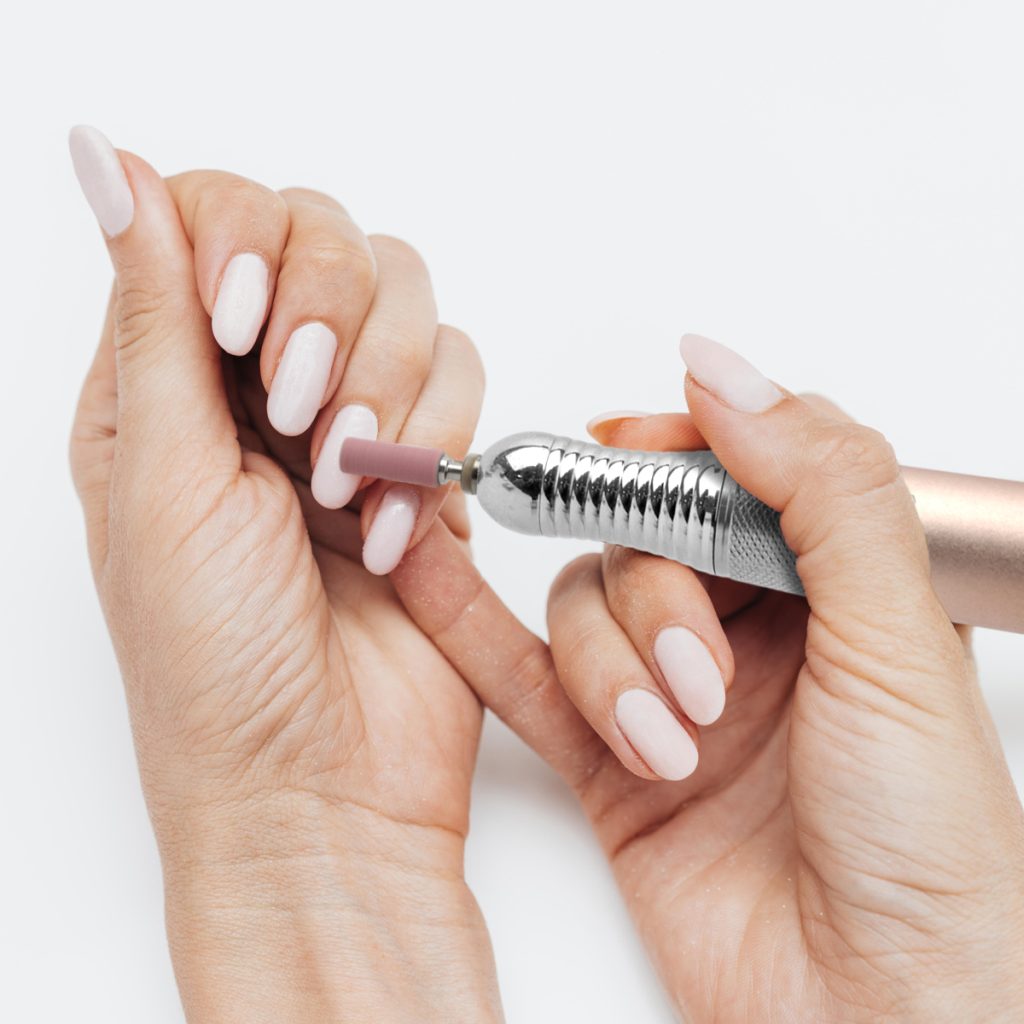
Repeated use of harsh nail polishes, acetone-based nail polish removers, or poor nail removal techniques (especially for semi-permanent nail polish or false nails) can make the nail surface uneven and more porous.
Shocks or Trauma
Repetitive microtraumas, such as typing on a keyboard or opening objects with your nails, can weaken the nail structure. Similarly, more severe shocks, such as violently hitting a finger or jamming a toe, can also damage the nail matrix or plate. These direct traumas can lead to temporary or lasting weakening of the nail, depending on their intensity.
Genetics
Some people naturally have more fragile, thinner, or softer nails due to genetic predispositions. If one of your parents or several family members has brittle or soft nails, it’s likely you’ve inherited this tendency.
What are some tips for taking care of your nails?
5 tips for strong nails:
1. Moisturize your nails: Regularly apply a moisturizer or special oil for nails and cuticles. This will help keep them hydrated and effectively nourished, preventing brittleness. When doing manicure, remember to choose a professional manicure kit to reduce damage to your nails.
2. Apply strengthening treatments: Choose a nail strengthener or treatment polish that contains natural strengthening ingredients, such as keratin, biotin, or calcium. Apply it regularly to strengthen your nails, promote growth, and reduce breakage.
3. Maintain a balanced diet: As with everything, a healthy and balanced diet can play a vital role in the health of your nails. Make sure you’re getting enough protein, vitamins, minerals, and healthy fatty acids to promote the growth and strength of your nails.
4. Limit contact with chemicals: When you have soft and brittle nails, it’s important to limit contact with chemicals. Try to limit the use of acetone nail polish remover and reduce the use of nail polishes containing ingredients that can irritate and weaken your nails.
5. Protect your nails: If you have to do household chores or manual labor, remember to protect your nails with suitable gloves. This will protect them from harsh products and impacts that could make them even more brittle.
Precautions
Soft nails, which bend easily, split, or break at the slightest touch, can be more than just a cosmetic concern. Although they are often linked to external aggressions, they can also reveal a deeper imbalance: A deficiency in iron, zinc, or biotin, or even a specific pathology are all possible causes of this fragility. If your nails deteriorate in an unusual or persistent manner, or are accompanied by other symptoms (fatigue, hair loss, pale complexion, etc.), consult a healthcare professional.
Read also: Nail Bits: Your Power Tool for Perfect Nails